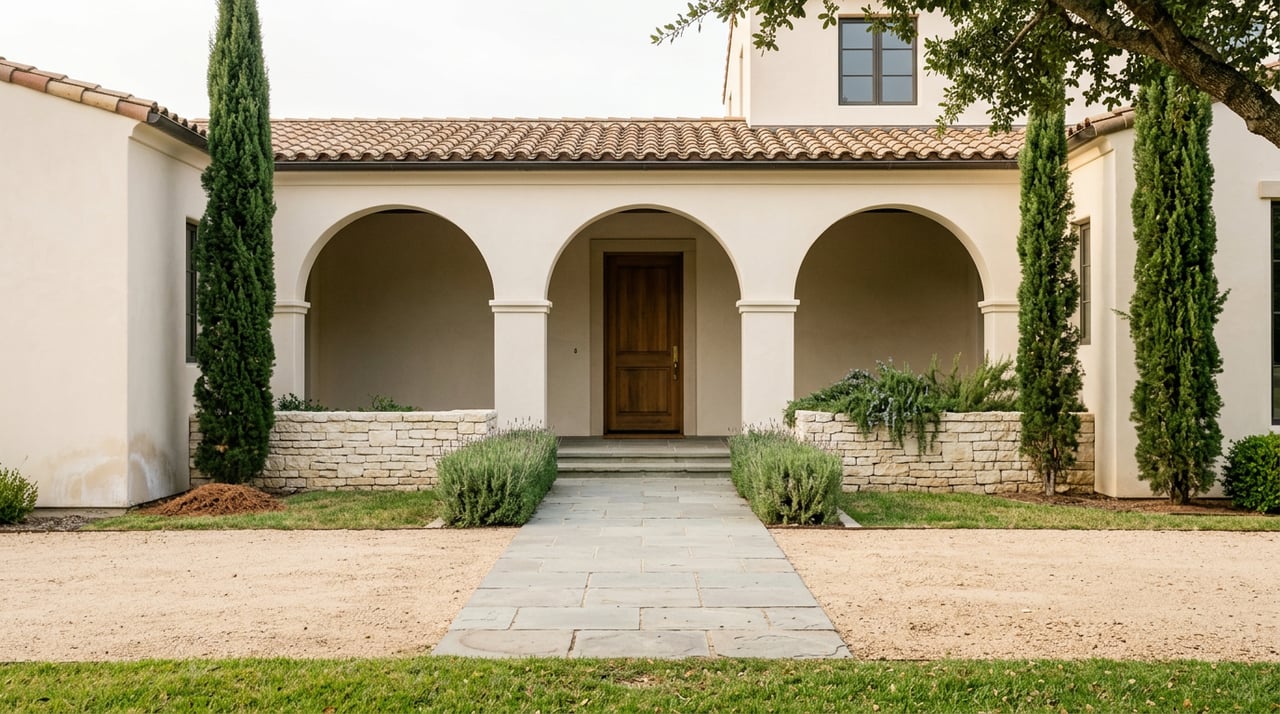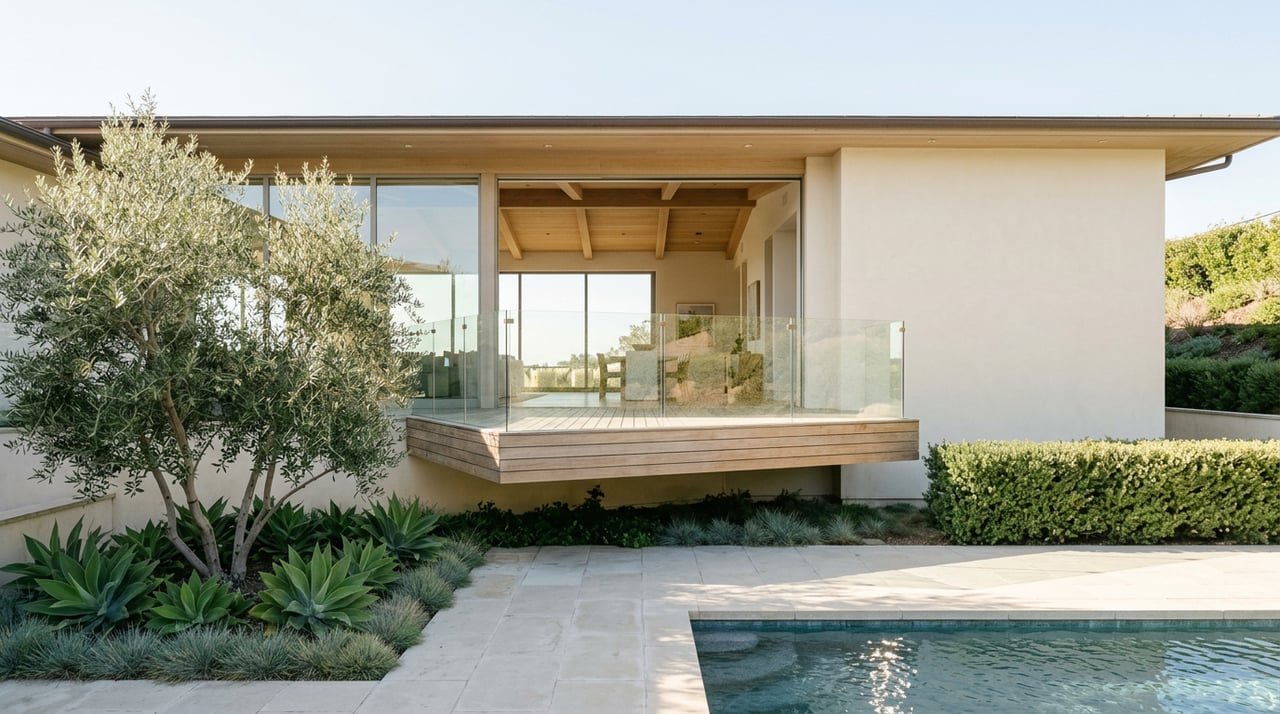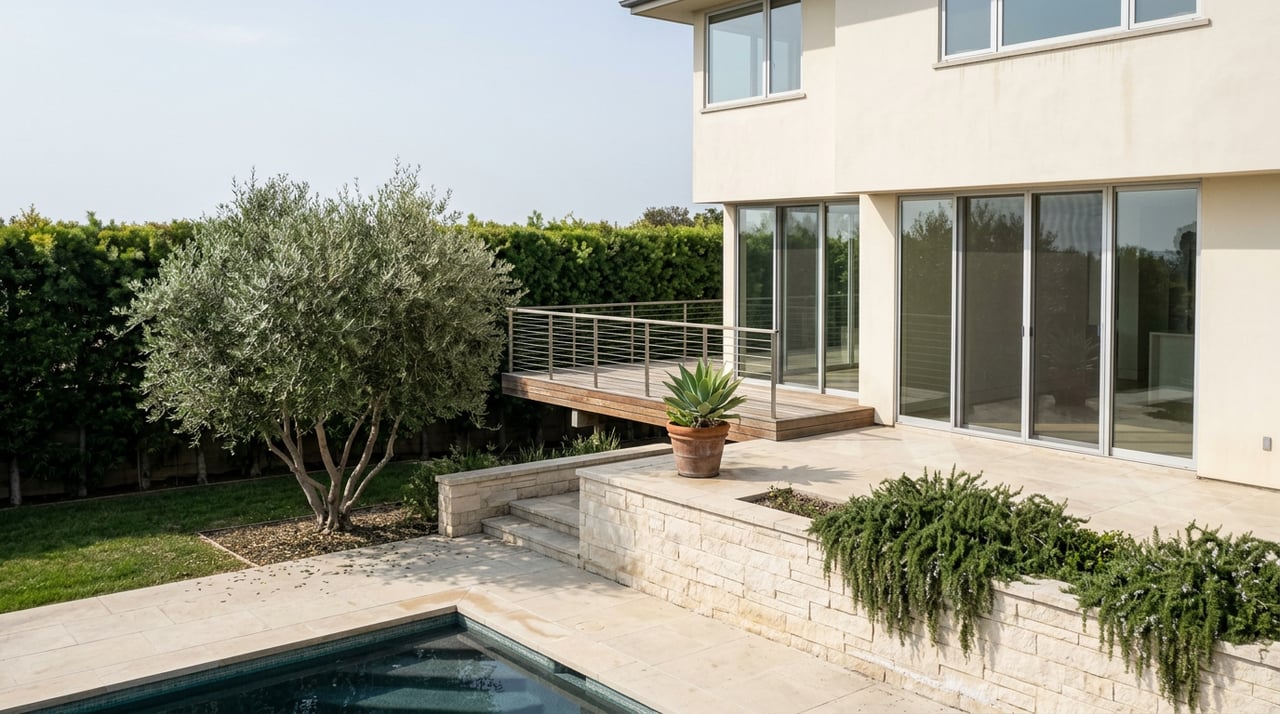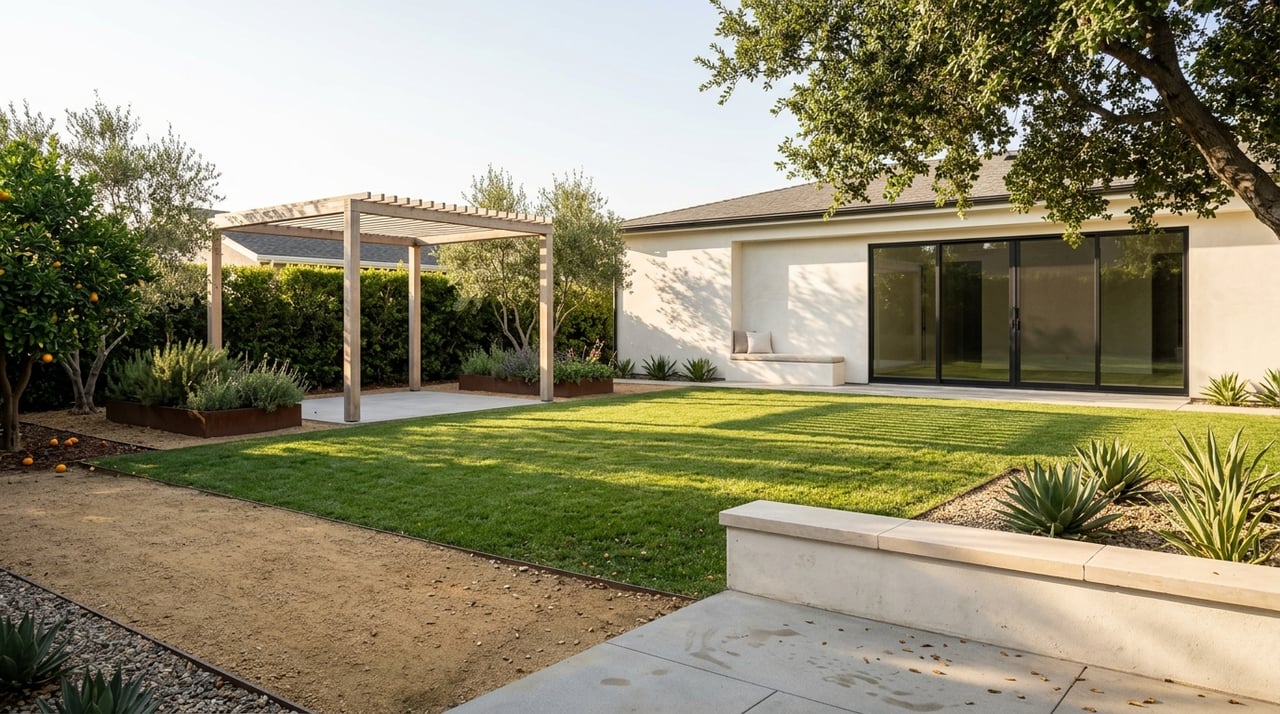
Dreaming about a bigger yard in Poway? Extra space can open up exciting possibilities, but it can also come with limits that are easy to miss if you only focus on lot size. If you want room for gardening, outdoor living, recreation, or a future ADU, it helps to know what really makes a property usable. Let’s dive in.
Why extra space means more than a big lot
When you start shopping for homes with more land in Poway, it is easy to assume that a larger parcel automatically gives you more freedom. In reality, the usable part of a lot can be much smaller than the total square footage on paper. Zoning, setbacks, slope, fire rules, and overlays all shape what you can realistically do.
Poway includes a wide range of residential lot types. According to the city’s housing element, detached-home zoning ranges from RS-7, with minimum lot sizes around 4,500 square feet, up to rural RR-A, where minimum lots can be about four acres. Other common detached-home categories include RS-4 at 10,000 square feet, RS-3 at 15,000 square feet, RS-2 at 20,000 square feet, and RS-1 at one acre.
That variety is one reason Poway appeals to buyers who want extra elbow room. You can find everything from more traditional suburban lots to larger rural-style parcels. Still, the best fit depends on how you plan to use the space, not just how much land the listing advertises.
Check usable yard space first
A large lot does not always translate into a large backyard or easy build-out potential. Setbacks can reduce where structures, additions, or outdoor improvements can go. In Poway, front-yard setbacks range from 30 to 40 feet in rural zones, 25 feet in RS-3 and RS-4, and 18 feet in RS-7, while rear-yard setbacks can range from 40 to 50 feet in rural zones down to 20 feet in RS-7.
Lot coverage matters too. Poway’s standards generally allow 35 percent lot coverage in RR and RS-1 through RS-4, while RS-7, RC, and RA can allow 50 percent. Even with a larger parcel, those rules can affect whether you have room for a pool, detached structure, expanded patio, or future addition.
The shape and topography of the lot also matter. California appraisal guidance notes that utility, size, shape, topography, drainage, zoning, and restrictions all influence value. A wide, mostly level lot may offer more practical flexibility than a larger parcel with irregular boundaries or steep slope.
Understand Poway zoning before you buy
Before you get attached to a property because it has “space,” verify the zoning and parcel overlays. Poway directs buyers to start with the city’s GIS and planning resources to review zoning, habitat conservation areas, high fire hazard zones, and archaeological sensitive areas. That first step can save you time, money, and frustration later.
This is especially important if you have a specific goal for the property. Maybe you want room for a pool, a detached office, a workshop, larger gardens, or an ADU. In each case, your next question should be whether the parcel’s zoning and site conditions support that plan.
Poway also maintains current information for ADUs, JADUs, and SB 9 development. The city states that ADUs are located on lots with a primary residence, and eligible SB 9 projects in single-family residential zones must be processed ministerially. That can create opportunity, but eligibility still needs to be confirmed on a property-by-property basis.
Think ahead about future projects
If you are buying for long-term flexibility, try to define your priorities early. Extra space can be used in very different ways, and each use may trigger different rules or costs. A yard for entertaining is one thing, but a sports court, detached structure, or major grading project is another.
Poway notes that sports courts have their own code requirements, and fences and walls also have specific rules. The city also says nearly all new homes require grading permits, and projects in RR-A, RR-B, RR-C, or RS-1 require a slope analysis by a licensed engineer. Some projects may also trigger utility extensions, street widening, sidewalks, or lighting requirements.
That means your “someday” plan should be part of your home search today. If a future project is important to you, it is smart to evaluate feasibility before closing rather than assuming you can work it out later.
Large lots can mean more upkeep
Extra outdoor space often sounds like pure upside, but larger lots usually bring more maintenance. More land can mean more irrigation, more landscaping, and more seasonal upkeep. In Poway, that matters because the city’s landscape goals emphasize reduced water use, thoughtful design, and long-term landscape management.
Poway’s water-use rules also add a practical layer. The city tells customers not to allow irrigation runoff, overspray, low-head drainage, or water flow onto adjacent property, hardscape, roadways, or structures. For you as a buyer, that means a larger yard may come with higher water bills, more irrigation maintenance, and a stronger need for efficient landscape planning.
If you love the idea of extra land, ask yourself how much yard you truly want to maintain. A property that feels perfect on a weekend showing may feel very different once you are handling mowing, irrigation checks, trimming, and seasonal cleanup.
Wildfire and open-space rules matter in Poway
In Poway, wildfire risk is one of the biggest local considerations for homes with extra space. The city says fuel-management zones are required for all structures. It also states that projects in the Very High Fire Severity Zone need a Fire Fuel Management Plan and Landscape Plan, and those fuel-management zones extend 100 feet from each structure.
There is another key detail buyers should know. If part of a parcel falls within one or more fire hazard severity zones, Poway says the entire parcel is treated under the most restrictive classification. That can affect how you plan improvements, landscaping, and ongoing property maintenance.
Homes near open space can also come with added review requirements. Poway notes that homes adjacent to open space or a biological conservation easement may need fire-department review and a brush-clearance permit before native chaparral is cut. In other words, the same natural setting that makes a property feel special may also limit clearing or future changes.
Animal keeping and rural-style use
Some buyers want extra space for a more rural lifestyle, including horse-property style uses or keeping larger animals. In Poway, the city directs buyers to confirm those plans against the animal-keeping code. Zoning and acreage both matter.
This is another reminder that “big lot” and “allowed use” are not the same thing. If animal keeping is part of your plan, it is worth verifying those rules before you make an offer.
What helps resale value
When buying a home with extra space, it is smart to think about resale from the beginning. A property that works well for your lifestyle today should also have broad appeal when it is time to sell. In many cases, utility matters more than raw size.
California appraisal guidance points out that lot utility, shape, slope, drainage, zoning, and restrictions all affect value. It also notes that irregular parcels can be harder to develop advantageously than rectangular ones. So even if two homes have similar lot sizes, one may be much more appealing to future buyers because the yard is easier to use.
The same guidance also offers an important caution about outdoor upgrades. Value is based on what the market is willing to pay, not simply what an owner spent to build something. A high-cost improvement like a pool or major outdoor feature may not return its full cost if it does not match buyer demand.
A smart buyer checklist for Poway
If you are comparing homes with more outdoor space, keep your due diligence focused on how the lot functions in real life. A few targeted questions can help you avoid surprises.
- What is the exact zoning for the parcel?
- Are there overlays for habitat, fire hazard, or archaeological sensitivity?
- How much of the lot is actually usable after setbacks, slope, easements, and fuel-management areas?
- Does the property support your main goal, such as recreation, gardening, an ADU, or a detached structure?
- Will water use, landscaping, and maintenance fit your budget and lifestyle?
- Is the lot near open space or in a higher fire-risk area?
- Could the yard’s shape, slope, or restrictions affect long-term resale appeal?
Why local guidance makes a difference
Buying a home with extra space in Poway is rarely just about finding the biggest lot. It is about finding the right mix of usability, flexibility, cost, and long-term value. When zoning, site conditions, and your goals all line up, that extra space can become one of the best parts of your home.
If you are looking at homes in Poway and want help narrowing down which properties offer real potential, working with a local agent can make the process much more efficient. The right guidance can help you focus on homes that fit your lifestyle now while also supporting your plans for the future.
If you’re exploring homes with more room to grow in Poway, Karlee Van Dyke can help you evaluate not just the home, but the real-world potential behind the lot.
FAQs
What should I check before buying a large-lot home in Poway?
- Review the parcel’s zoning, setbacks, slope, easements, fire hazard status, and any habitat or archaeological overlays to understand how much of the lot is truly usable.
Can I build an ADU on a home with extra space in Poway?
- Poway states that ADUs are located on lots with a primary residence, but eligibility and project details should be confirmed for the specific property before you move forward.
Do bigger lots in Poway always have more usable yard space?
- No. Setbacks, lot coverage limits, slope, drainage, and fire fuel-management requirements can all reduce the practical space you can use.
Are wildfire rules important for Poway homes with more land?
- Yes. Poway requires fuel-management zones for all structures, and parcels in higher fire severity areas may face stricter planning and landscape requirements.
Does a larger yard increase resale value in Poway?
- Not always. California appraisal guidance shows that utility, shape, topography, drainage, zoning, and restrictions can matter as much as size when buyers and appraisers evaluate value.