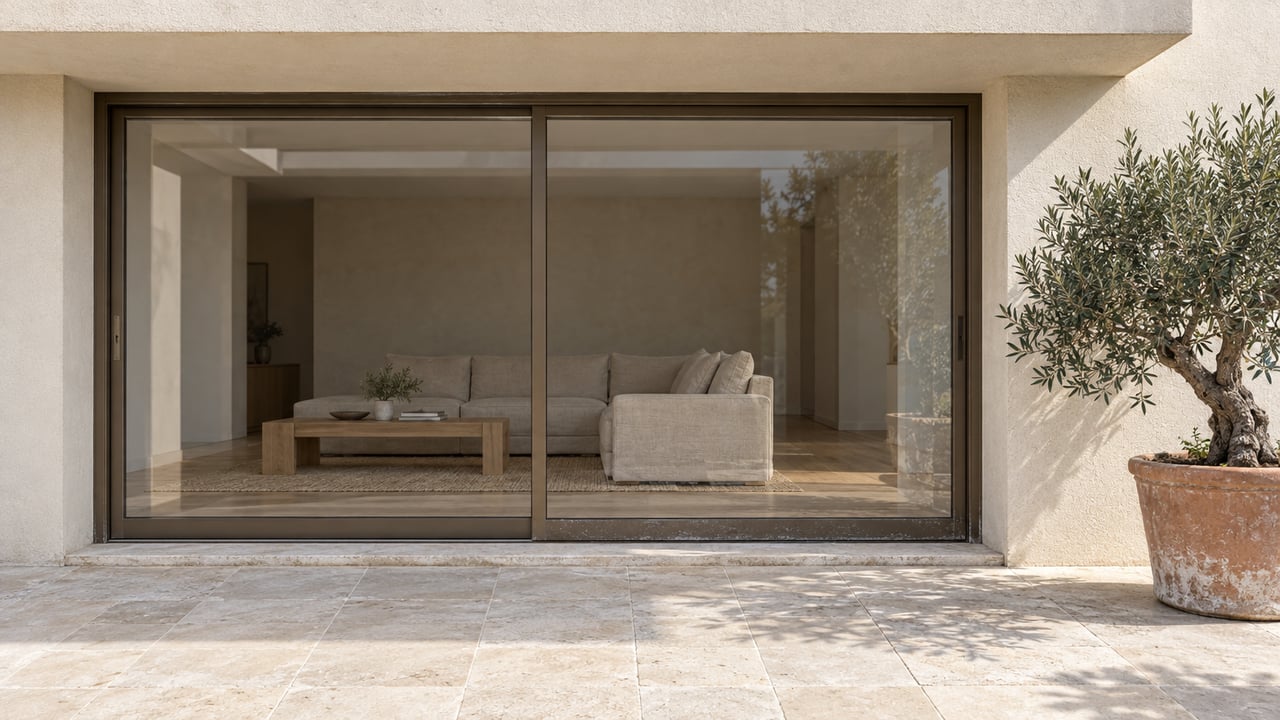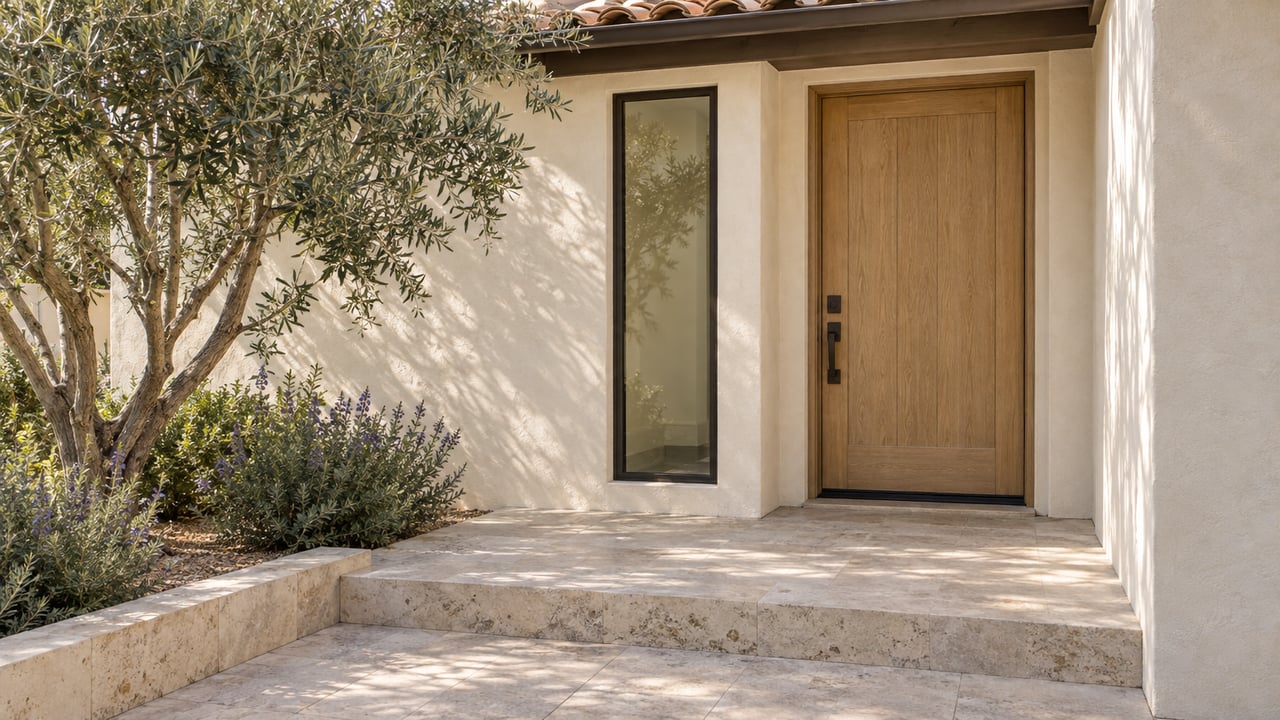
People come to Bernardo Winery for the Friday morning farmers market, for a bottle of estate wine, for the gift shops tucked along the old walkways off Paseo del Verano Norte. Some come looking for a restroom and end up standing in front of a full-sized replica stagecoach instead, because the Rancho Bernardo History Museum sits right at the entrance, in a cluster of refurbished buildings locals still call the Bunk House. Thousands of people pass that door every month without opening it.
What looks like one attraction on that property is really two. There's the winery, the shops, the tasting room, all privately run. And there's the museum next to it, a separate nonprofit operation that has spent more than twenty years building a recurring calendar of free programming that most of the people driving past on Paseo del Verano Norte have never attended.
What's Actually Behind That Door
The Rancho Bernardo Historical Society started in 1982 as a handful of residents collecting artifacts from the area's ranch-era past. For years the collection lived in a shipping container because there was nowhere else to put it. The society eventually raised close to a quarter million dollars to build a permanent space, and the museum opened its doors in 2005 inside four small shops the winery donated for the purpose.
Inside, the exhibits trace a longer timeline than most people expect from a one-room museum. There's a display on the Kumeyaay presence in the area, which archaeological evidence places at more than 10,000 years. There's a military wall of honor. There's the region's tuna cannery connection, since the winery's own olive trees once supplied oil to San Diego's fishing fleet. And there's the museum's best-known piece, a hand-built replica of an 1880s Mud Wagon stagecoach, introduced in 2016 and now driven each year in Rancho Bernardo's July 4th parade.
Six volunteer docents keep the museum running. It's open Friday from 11 a.m. to 3 p.m. and weekends from 1 to 5 p.m., admission free, donations welcome. The Rancho Bernardo Historical Society posts hours and speaker updates on its own site, and its board meets in the museum itself the second Monday of every month, open to the public.
The Talk Nobody Puts on a Calendar
The museum's monthly speaker series is where the operation stops feeling like a static display case and starts feeling like an actual program. Past topics have covered the 1915 Point Loma Road Race, the history of San Diego's old trolley lines, and how World War II reshaped the city. None of it requires a ticket. None of it gets much notice outside the small circle of people who already know to check.
Historian Garner Palenske gave a talk inside the museum titled "Wyatt Earp in San Diego: Life After Tombstone," covering the part of Earp's story that happened well after the O.K. Corral, when he spent time in San Diego during a mining boom. It ran on a Saturday morning, drew a free crowd, and then was gone, the way most of these talks are, no recording, no write-up, just whoever showed up that day.
A few blocks north, on the same Saturday, a second free program was happening at the same time in a completely different building.
A Second Free Series, Same Neighborhood, Different Address
The Rancho Bernardo Library on Bernardo Center Drive runs its own recurring cultural program, the Discovery Concert Series, funded and organized by the Friends of the Rancho Bernardo Library, a volunteer group that has supported the branch for more than 50 years.
The 2026-27 season opened this month with a performance by cellists Jonathan Lin and Paul Hyun. Lin grew up in Rancho Bernardo, which means the library's opening act for its new season was, in a small way, a homecoming. The concert ran in the library's second-floor community room, seating first-come, no reservation, no charge. Past seasons have brought in a marimba player, a violinist, a full jazz band, and a rotating cast of young local performers billed as Rising Young Stars.
Two free, recurring, volunteer-run cultural programs, one inside a winery and one inside a public library, running on roughly the same calendar within walking distance of each other. Neither shows up on the kind of "things to do" list built around restaurants and retail openings. Both have been running long enough that neither one is new. What's new is noticing they overlap.
The Fall Calendar Confirms It's Not a One-Off
If this looked like a single well-timed coincidence, the rest of the season argues otherwise. Bernardo Winery has been running California Wine Month tastings straight through September. Its Winemaker Dinner took place September 24. Next up is the winery's Fall Arts & Crafts Fair on October 17 and 18, an event with enough history behind it that in past years the historical society has used the same weekend to keep the museum open beyond its usual limited hours, turning two separate calendars into one shared draw.
None of this requires planning a special trip. It requires knowing that the door next to the tasting room isn't part of the gift shop, and that the community room upstairs at the library isn't just where storytime happens.
A profile in 92127 Magazine summed up the pattern in a single line about how longtime residents react when they finally step inside:
"one of those gems about which people are always saying, 'I never knew you were here.'"
That's true of the museum. It's just as true of the concert series two blocks away.
The next chance to see both calendars line up again is the Fall Arts & Crafts Fair weekend on October 17 and 18, when the winery fills with vendors and, if the pattern holds, the museum keeps its doors open longer than the posted Friday-and-weekend schedule. Walk past the tasting room. Go in the other door.
Rancho Bernardo has a way of hiding its best-kept institutions behind the things everyone already knows to look for. If you're thinking about what it actually means to live in a neighborhood like this one, not just visit it, Karlee Van Dyke can walk you through what makes Rancho Bernardo work day to day, long before any conversation about buying or selling comes up.