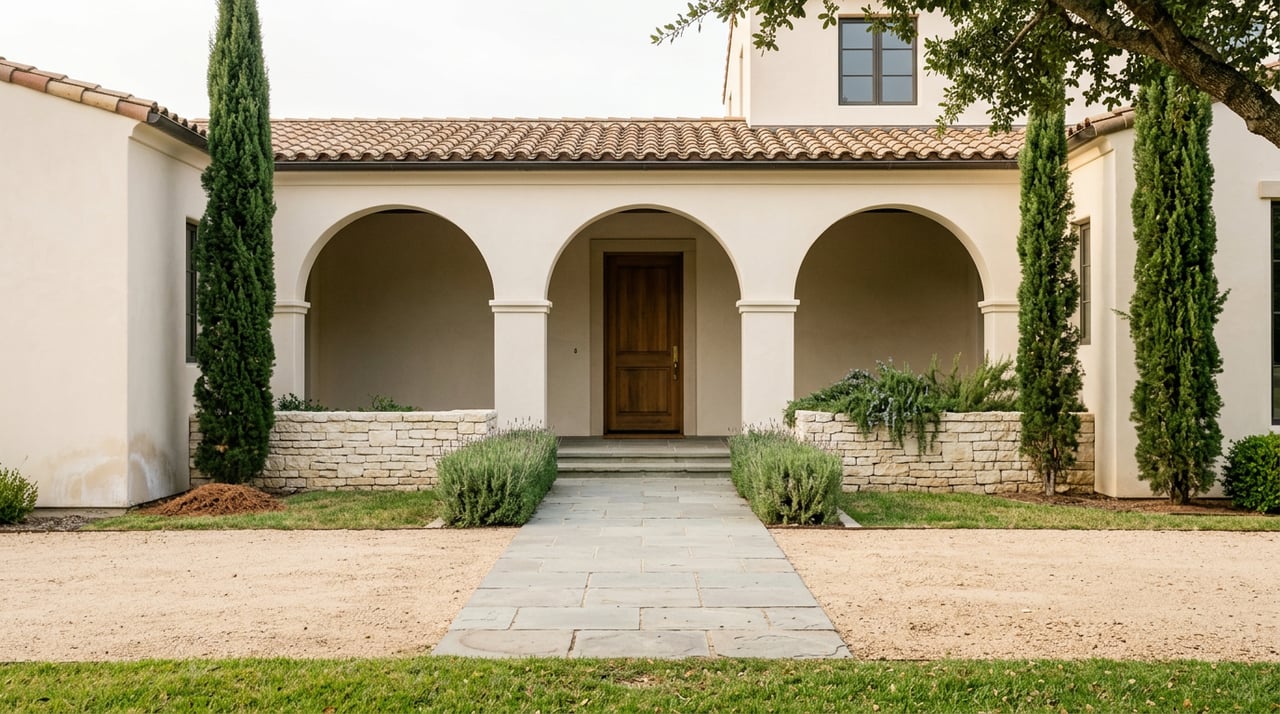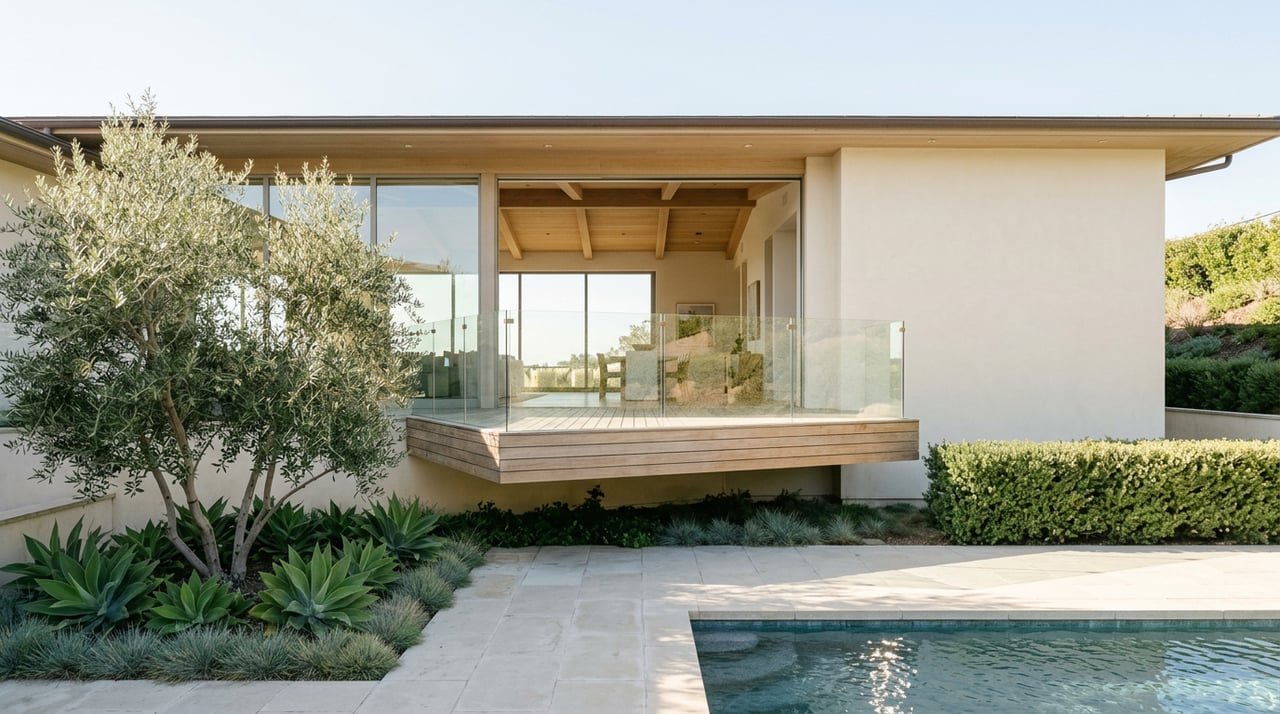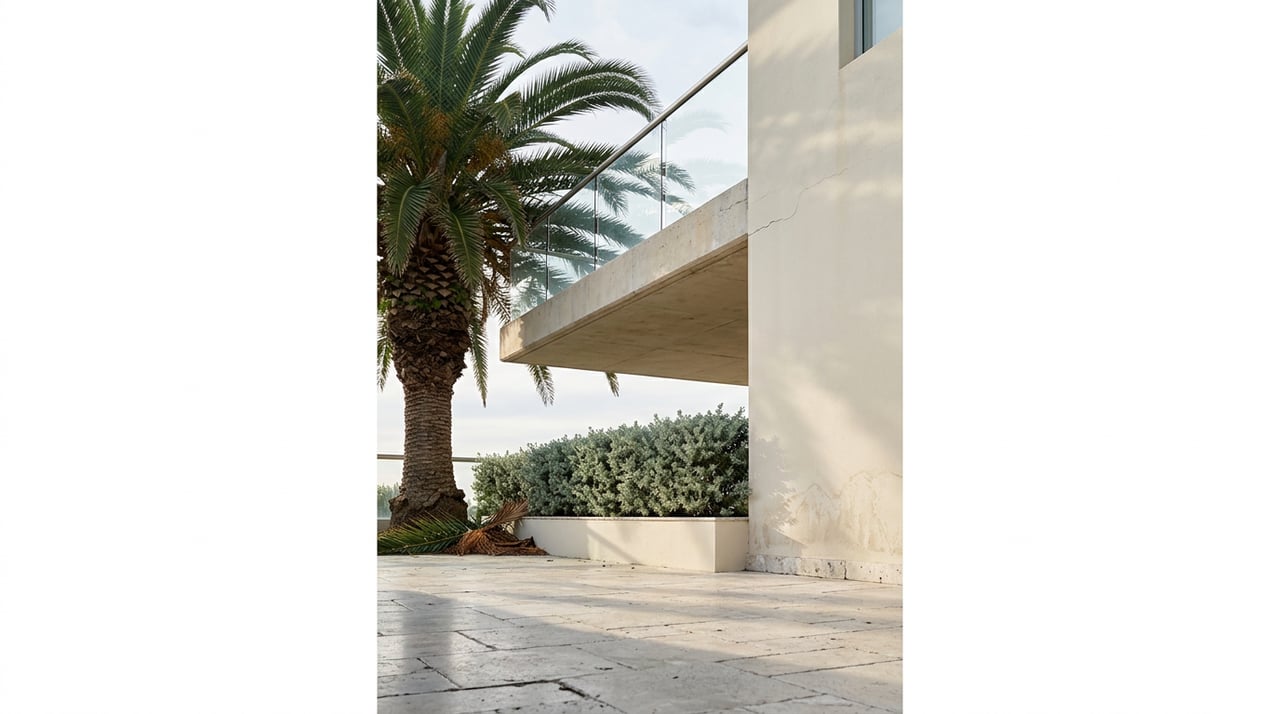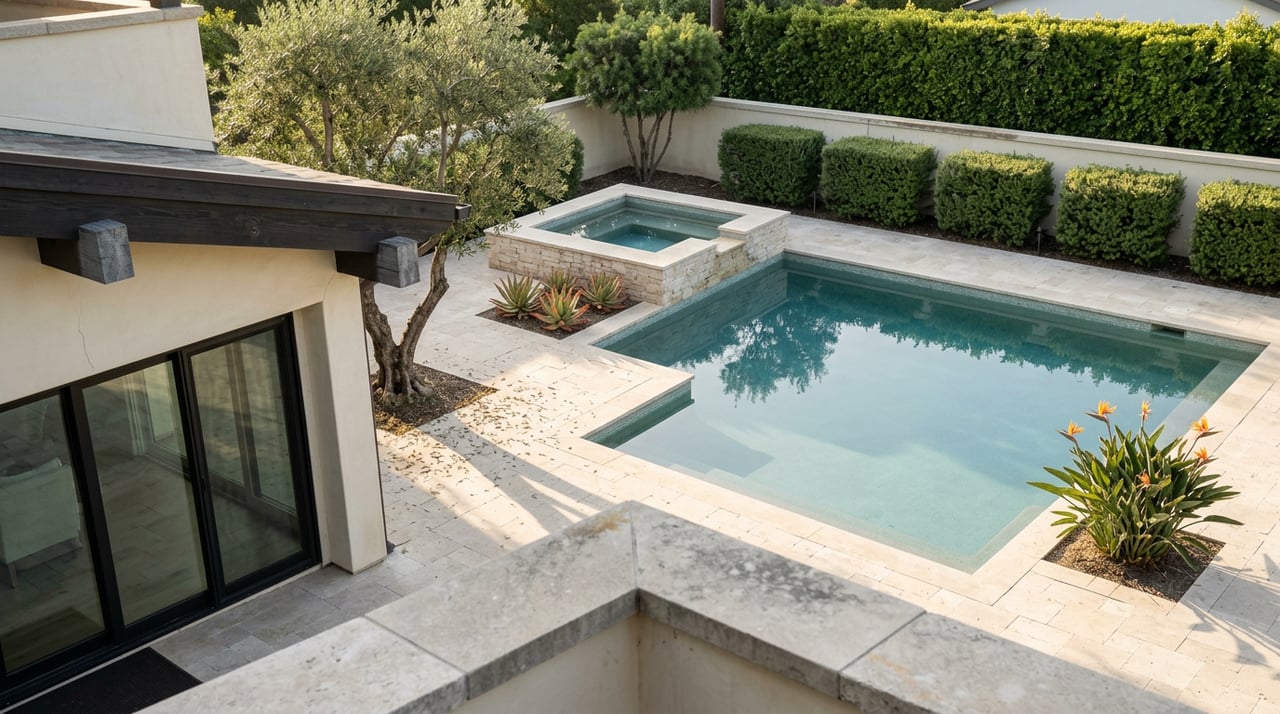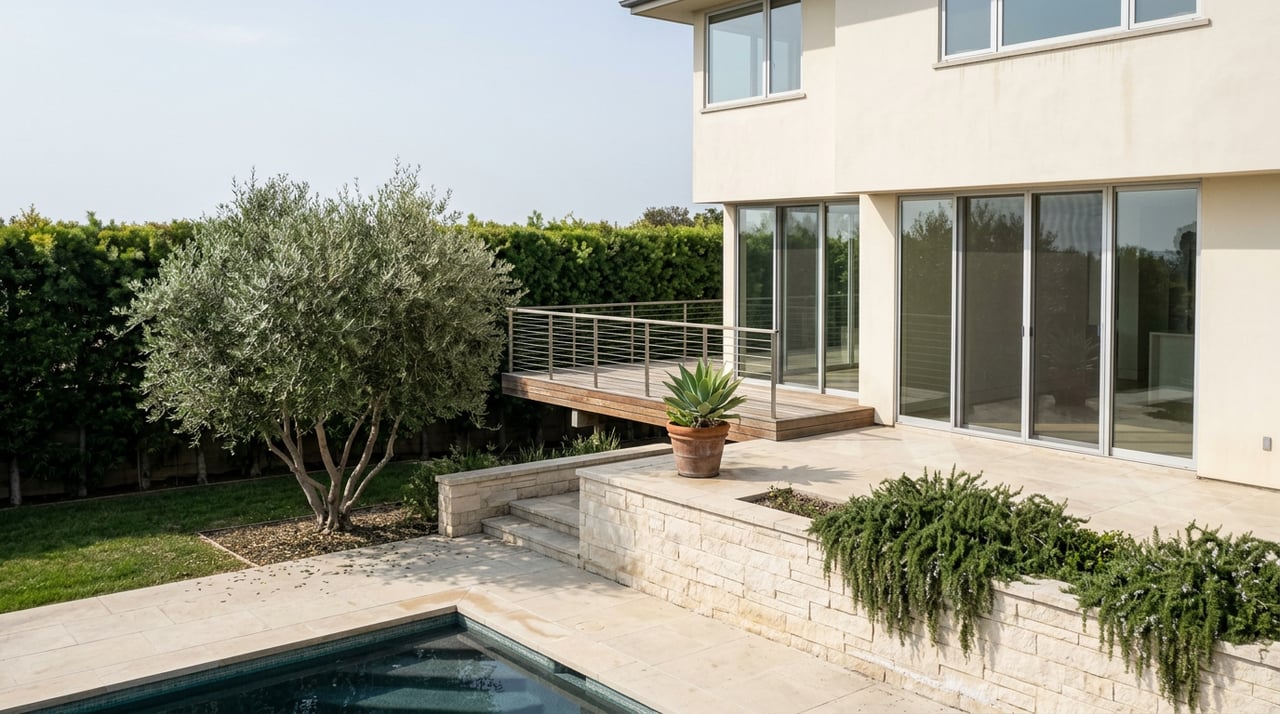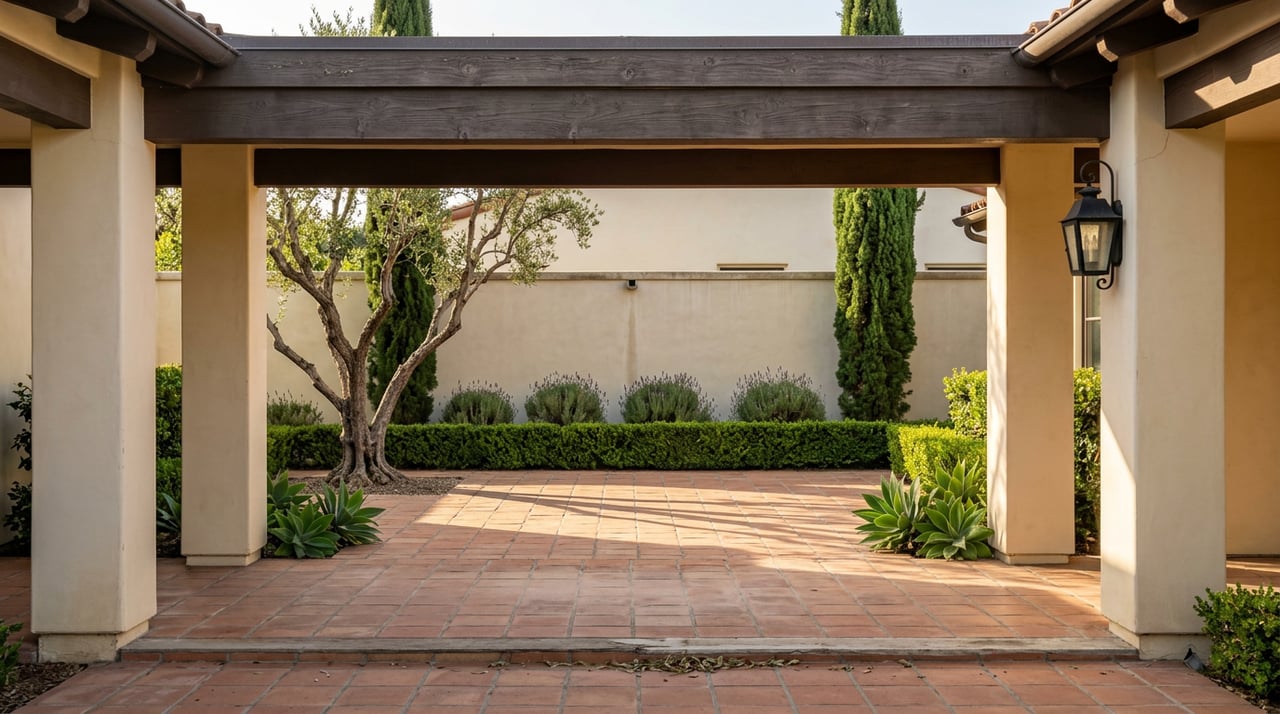
There is no gate at the entrance to Rancho Santa Fe's Covenant. The roads inside it are public roads, maintained like any other street in unincorporated San Diego County. Buyers who assume the area's exclusivity comes from a guardhouse and a keypad are usually surprised to learn the real gatekeeper is a five-person volunteer design board called the Art Jury, and that its authority reaches into escrow long after you think you've closed.
That authority is not symbolic. It shows up in a California appellate case, in a fee schedule with expiration dates most sellers never read, and right now in a fight stretching more than three years over 23 acres at the corner of Via de la Valle and Calzada del Bosque. If you're preparing to list a Covenant property this year, the paperwork behind that authority, not the median price on any portal, is what actually determines how smoothly your closing goes.
The Signature You Made Without Reading the Fine Print
The Rancho Santa Fe Association is direct about this in its own guidance to members: signing escrow papers on a Covenant property means agreeing to abide by the Rancho Santa Fe Protective Covenant, whether or not you ever read the document. That covenant gives the Association and its Art Jury the power to review and approve exterior changes to your property, from additions and pools to fences, gates, roofs, accessory structures, equestrian facilities, and major landscaping work, according to the Association's own architectural review process.
The design standard the Art Jury applies isn't a checklist of setbacks and materials, though those exist too. It's a judgment call about whether a project harmonizes with the surrounding architecture and the Ranch's rural character. That subjectivity has been tested in court. In Dolan-King v. Rancho Santa Fe Association, a homeowner sued after the Art Jury rejected her proposed fence and room addition plans. The dispute reached a state appellate court, which addressed whether the Covenant's design-review powers hold up as enforceable land-use restrictions, not just community preferences, concluding the relevant provisions operate as legally enforceable equitable servitudes. In plain terms, the Art Jury's decisions carry real legal weight, and a rejection isn't easily undone by lawsuit.
Two Approvals, Two Expiration Clocks
Here's the part that catches sellers off guard mid-project. Getting Art Jury approval isn't a single event. Projects move through a Style Check (formally called Intermediate Plan Review) and then a Final Plan Review, and each stage comes with its own clock.
| Approval Stage | What It Confirms | When It Expires |
|---|---|---|
| Style Check | General massing, siting, and design direction | Six months, if Final Plan Review isn't submitted in time |
| Final Plan Review | Complete, construction-ready plans | One year, if a Construction Permit hasn't been issued |
Both expiration windows come directly from the Association's Schedule of Fees and Deposits. If a previous remodel stalled between stages, the approval that once existed may have quietly lapsed. That same fee schedule has a category for what it calls "as-built" items, which is the Association's term for construction that happened without a permit or in conflict with approved plans. It exists because this happens often enough to need its own line item, and it's the exact mechanism that turns someone else's shortcut into your disclosure obligation.
When the File Is Missing, the Buyer Fills It In
A pool built fifteen years ago without a permit doesn't disappear when you list the house. It surfaces during the buyer's due diligence, and at that point you've lost control of the timing. A missing Art Jury approval on an addition, a fence, or a guesthouse creates uncertainty that sophisticated buyers and their inspection teams are trained to find and use as leverage, whether that means a price reduction, a repair credit, or a delay while the seller scrambles to document or remediate work after the fact.
The fix isn't complicated, but it has to happen before you list, not after an offer is in hand. That means requesting a compliance check from the Association's Building and Planning Department, pulling any Art Jury approval letters that came with the house, and being honest in your disclosure package about anything built without going through the process. Buyers reward clarity. Sellers who show up with a complete paper trail reduce the discount a cautious buyer will otherwise apply.
The Fight That Shows What "Real Authority" Looks Like
If you want proof the Art Jury's review isn't a rubber stamp, watch what's happening at Via de la Valle and Calzada del Bosque. AmeriCare Health & Retirement, based in Solana Beach, has spent more than three years working the Art Jury process for Silvergate Rancho Santa Fe, a proposed senior living community that would be the first of its kind inside the Covenant. The project has already been reshaped by roughly 25 design changes and shrunk from about 29 acres to roughly 23, according to The Coast News.
In June 2025, the Art Jury denied the developer's request to install story poles marking only the project's outer buildings, voting unanimously to require poles for every structure, including two versions of the memory care building so the community could see it as both one story and two stories. By March 2026, after the redesigns, the Art Jury voted unanimously to approve the project's design and let it move to the next phase, though it still needs sign off from the RSFA Board and a major use permit from San Diego County before construction can begin, according to NBC 7 San Diego.
"We've tried to incorporate the accommodations the Art Jury has requested from us."
That's how AmeriCare president Greg Petree described the process to NBC 7, adding that "time is of the essence" for the seniors on Silvergate's waitlist. Even with that urgency, a resident group called Protect the Covenant has asked the Association to treat the project as a formal covenant amendment requiring a two-thirds membership vote, arguing that letting it through as a routine design approval could open the door to higher-density projects across the Ranch. More than three years in, the fight still isn't over.
If a company with professional land-use counsel and 25 rounds of redesign is still working through this process, a homeowner's unpermitted pool cabana is not going to slide by unnoticed.
Not Every Nearby Address Plays by the Same Rules
Confusingly, not every prestigious address near Rancho Santa Fe answers to the Art Jury. Fairbanks Ranch, a separate guard-gated community covering roughly 1,800 acres, runs on its own HOA with a private clubhouse, lakes, four tennis courts, four pickleball courts, a full equestrian center, and 24-hour armed security. Homes there sold for between $3.9 million and more than $10.5 million in the twelve months ending July 2025, averaging roughly $859 a square foot. Buyers there are paying for controlled access and consistent infrastructure. Buyers in the Covenant proper are paying for a designed rural aesthetic enforced by a volunteer board with the legal standing to say no, not a guard at a gate. Confirming which set of rules applies to a specific parcel, by checking the deed and legal description, matters more than the zip code on the listing.
Why the Median Price You Saw Online Doesn't Settle Anything
Rancho Santa Fe's price data is a study in how thin a luxury market can get. As of July 2026, one widely used listing tracker put the area's median list price near $5.07 million with a median of 134 days on market. A separate tracker's three-month window ending in May 2026 showed a median sale price of just $3.9 million, with homes selling in an average of 20 days. Both figures are accurate for what they measure, list price against sold price, but a market this small, with only a handful of closings most months, lets a few outsized estates or a run of quick sales swing the headline number in either direction.
Neither figure tells a buyer or seller whether a specific property carries an open Art Jury file. That's the number that actually determines whether a closing happens on schedule.
Before You List: A Short Checklist
- Gather any Art Jury approval letters for additions, pools, fences, gates, or major landscaping completed during your ownership, plus whatever paperwork came with the house.
- Request a compliance check from the Association's Building and Planning Department to confirm there are no open violations or unresolved fees tied to the parcel.
- Document anything built without going through Style Check and Final Plan Review. It's better to surface this on your own timeline than the buyer's.
- Confirm whether your parcel is served by the Santa Fe Irrigation District or relies on a private septic system, since either detail affects a buyer's carrying-cost math.
Frequently Asked Questions
Is Rancho Santa Fe actually gated? No. The Covenant's roads are public roads maintained by the county. The community's character is preserved through the Art Jury's design review process, not a guardhouse.
How much time does Art Jury review typically add to a project? Plan for weeks to months across Style Check and Final Plan Review combined, run alongside county plan check where possible. Projects are queued in the order they're submitted, and each approval stage carries its own expiration date.
Does every home near Rancho Santa Fe answer to the Art Jury? Only parcels inside the recorded Protective Covenant. Nearby communities like Fairbanks Ranch operate under entirely separate HOA rules. Confirm Covenant status on the deed and legal description rather than assuming based on address alone.
A property's paper trail is not something a listing photo can show, and it's not something a buyer's agent will take your word for. If you're weighing whether to list a Covenant home this year, or trying to understand what a specific parcel's Art Jury history means for your timeline, Karlee Van Dyke can help you sort out what's documented, what's missing, and what it's worth fixing before the sign goes up. Get Your Free Home Valuation and start with a clear picture of where your property actually stands.