Search for Poway's median home price this month and you will get answers that contradict each other. As of August 2026, one major listing portal puts Poway's median list price at $1.31 million, or $585 a square foot. Zillow's own valuation tool, pulled the same week in June 2026, shows two different numbers depending on which search path you land on: $1.23 million on one page, $1.11 million on another, for what is supposedly the same city. A third portal's figure for the three months ending in May 2026 puts the median sale price at $1.3 million, at $600 a square foot, closer to the first number than the second.
None of these sites made a mistake. They are all measuring the same ZIP code, 92064, and landing on different answers because Poway is not one housing market. It is three, stacked under a single city limit, and which one shows up in a given month's median depends entirely on which segment of inventory happened to close.
If you are comparing Poway to another San Diego suburb using a single median number, you are comparing apples to a fruit basket. Here is what is actually inside it.
One ZIP Code, Three Different Housing Markets
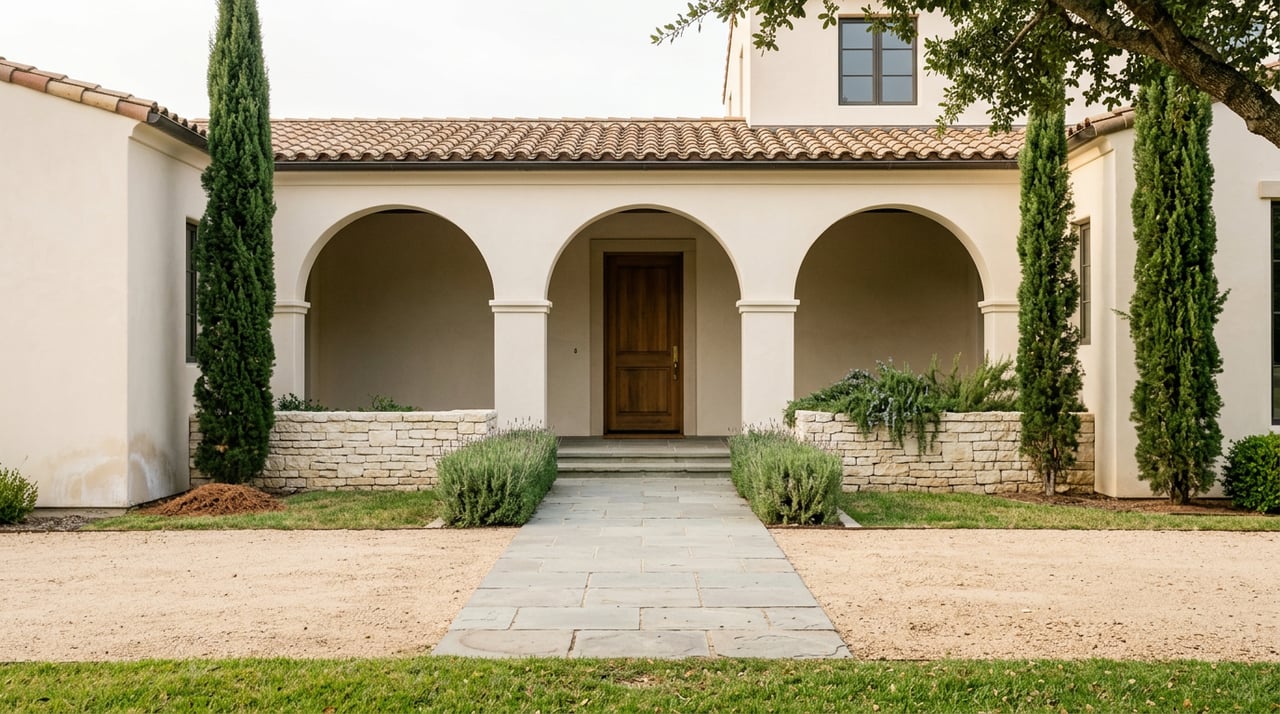
The center of town holds Poway's oldest tract neighborhoods, built mostly between the 1970s and 1990s, within walking distance of Poway High School and Lake Poway. Homes here typically run three to five bedrooms on standard suburban lots, and prices generally fall between $800,000 and $1.3 million.
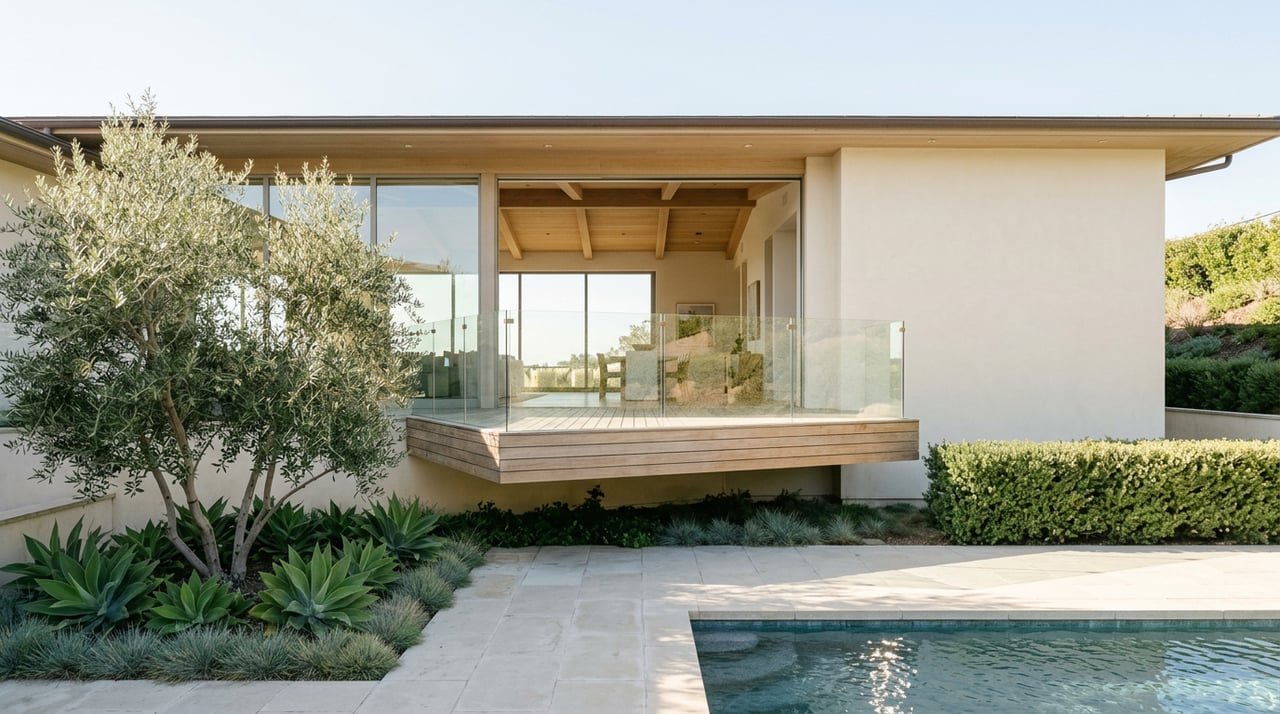
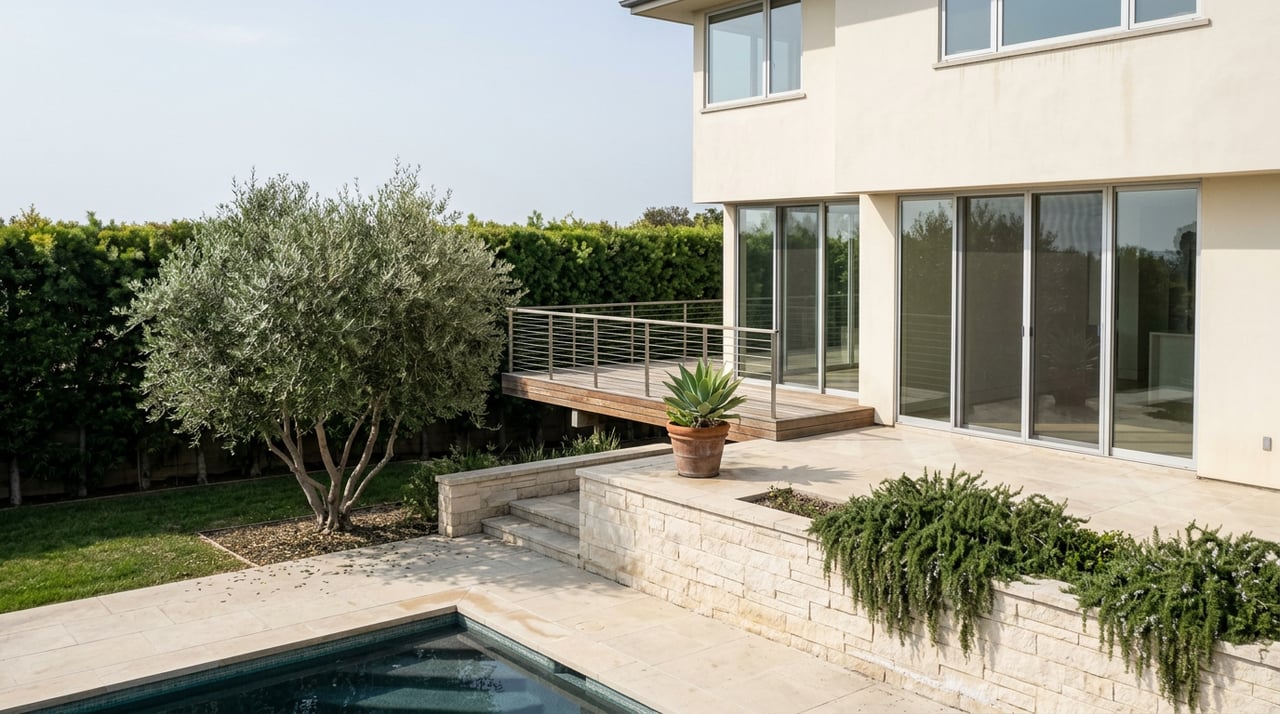
North of that, spread across the hills between Pomerado Road and Lake Poway, sits a much larger and newer collection of neighborhoods built mostly in the 2000s and 2010s. This area covers several distinct pockets under one general name, with home sizes ranging from around 1,750 square feet in the smallest original homes to more than 6,500 square feet in the largest custom builds. Most of these pockets carry no formal homeowners association, and prices generally land between $1.1 million and $1.8 million.
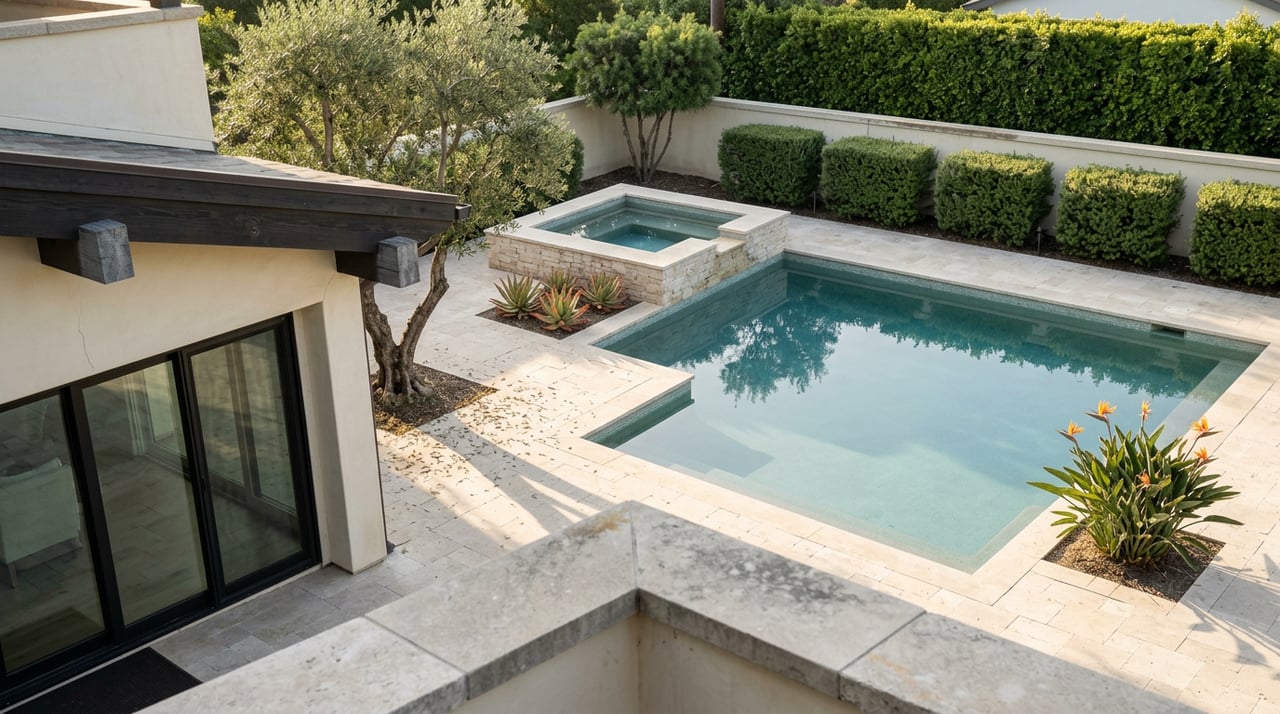
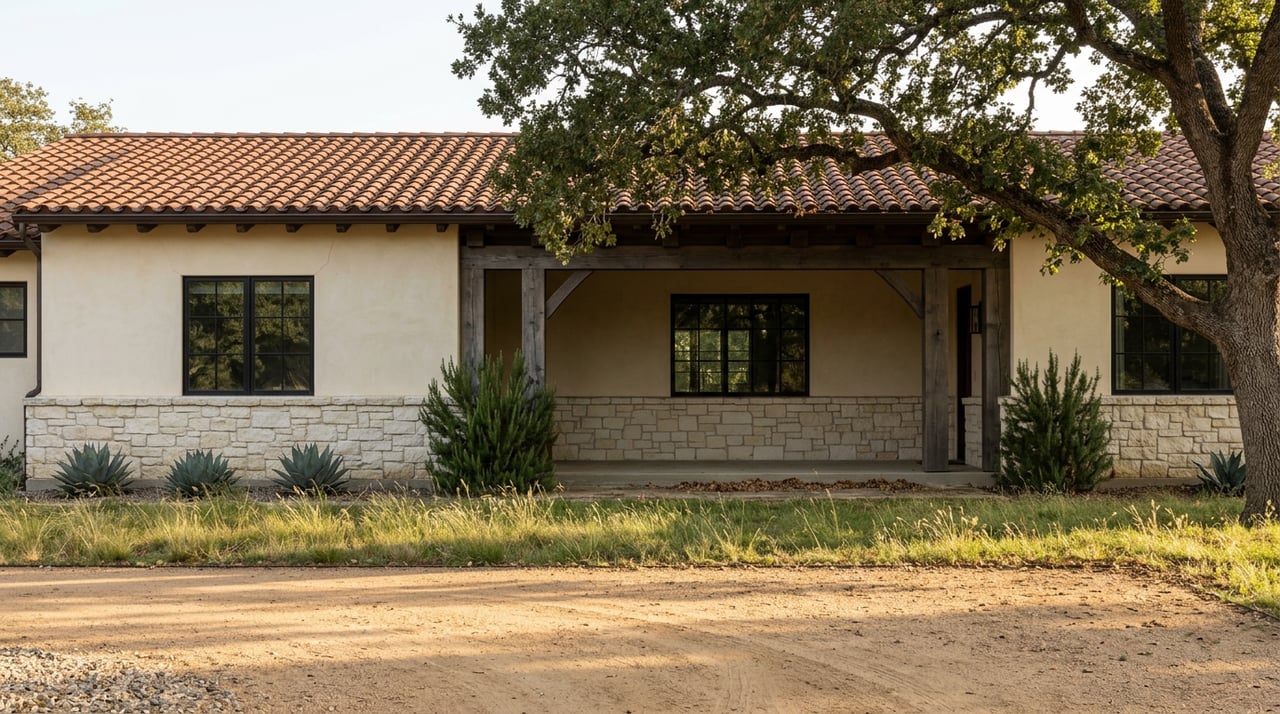
Then there is the tier that does not behave like a suburb at all. In North Poway's rural residential zones, enclaves with names like High Valley Ranch and Old Coach Estates sit on lots that start at an acre and often run well past that, with no HOA and no Mello-Roos assessment in most sections. Prices here typically start around $1.2 million and regularly clear $2 million, and the number reflects land and privacy as much as square footage.
| Tier | Era Built | Typical Lot Size | Typical Price Band | HOA / Governance |
|---|---|---|---|---|
| Central tract neighborhoods | 1970s-1990s | Standard suburban | $800K-$1.3M | Varies by pocket |
| North Poway hillside neighborhoods | 2000s-2010s | Larger, view-oriented | $1.1M-$1.8M | Mostly none |
| Rural residential / equestrian enclaves | Mixed, custom | One acre minimum and up | $1.2M-$2M+ | None, no Mello-Roos |
A portal's "median" for the month is whatever mix of these three tiers happened to sell. Pull a heavier share of tract-neighborhood closings and the number drops. Pull a few acre-lot estate sales and it jumps. Neither reading is wrong. Neither is complete on its own.
The Zoning Rule That Locks One Tier in Place
The acre-lot tier is not an accident of the market. It is written into Poway's zoning code and protected in a way that makes it structurally different from most California suburbs.
Poway's municipal code establishes RR-A through RR-C zones as areas for very low density residential use, with a minimum lot size of one acre and a maximum density of one unit per acre. What makes this durable rather than a temporary planning choice is the amendment clause. Under the code, no property zoned RR-A, RR-B, or RR-C can be rezoned to allow greater density unless the change is "approved by ordinance adopted by the voters of the City" at an election, after first clearing the City Council. A council vote alone cannot loosen this tier. It takes a public vote too.
That single clause is why the acre-lot neighborhoods have stayed acre-lot neighborhoods for decades while the rest of San Diego County has densified around them. It is also why land in this tier trades almost like a separate asset class from the homes sitting on it.
The code carries a second detail worth knowing if horses or livestock are part of the plan. Poway's animal-keeping ordinance requires that "all lots shall have a minimum of 10,000 square feet for the keeping of large animals", with a required separation between the animal enclosure and neighboring properties layered on top. A property does not need to sit in an RR zone to qualify, but it does need to clear that square footage threshold. Anyone shopping for a horse property in Poway should confirm this on the city's own zoning lookup tool before assuming a listing description is accurate.
What an Acre Actually Costs Before You Build Anything
In the acre-lot tier, land itself carries a price tag separate from any house. Active land listings in Poway this year have averaged roughly $428,000 per acre, based on a sample of 28 acres currently on the market. That is before grading, utilities, or a single square foot of construction.
Two active listings from this year illustrate the range inside that average. One is a 5.55-acre homesite inside a privately gated enclave of just ten estate-sized lots in North Poway, with panoramic views toward Maderas Golf Course and the Poway dam. Another is a 6.46-acre parcel behind gates that took four years to clear permits and grading approval before reaching the market as a ready-to-build site with sweeping views.
Neither of these compares meaningfully to a tract-neighborhood comp in the center of town, and neither should be blended into a citywide median that a buyer is using to plan a budget for a standard single-family home.
Why the Portal Number Can Cost You Money
This is where the split stops being trivia and starts affecting decisions.
A buyer relocating from another market and filtering listings by "Poway" at a citywide median price will see tract homes and acre estates mixed in the same results, at price-per-square-foot figures that do not mean the same thing from one listing to the next. A seller in the hillside tier who prices a listing off a blended citywide median risks leaving money on the table, since true comps sit in a narrower band with different buyers and different expectations for privacy and land.
Pricing accurately in Poway means knowing which of the three tiers a specific street belongs to, not just which ZIP code. That is the kind of comp work a national portal's algorithm cannot do, because it does not know the zoning map or the gate list. It only knows what closed.
A Few Questions Worth Answering
Is there an HOA in Poway? It depends entirely on the pocket. Most of the North Poway hillside neighborhoods and the rural residential enclaves carry no HOA and no Mello-Roos. Other developments in the city do have one. Ask block by block, not citywide.
Can I keep horses on any lot in Poway? Not automatically. City code sets a 10,000-square-foot minimum lot size just to qualify for large animals, plus a required separation between the enclosure and neighboring properties. Confirm zoning on a specific parcel before assuming a listing supports it.
Why do the major portals disagree so much on Poway's median? Because each one is reporting whatever mix of tract homes, hillside homes, and acre-lot estates happened to close in its sample window. The underlying market is not continuous, so the number swings with the mix, not with a broad shift in value.
If you are trying to figure out what a specific Poway street or gate actually commands, rather than what a citywide algorithm is averaging this month, Karlee Van Dyke can walk you through the comps that actually apply to your tier. Get Your Free Home Valuation and see where your property sits inside the real Poway market, not the blended one.